Important People in Economics and Finance
Many economists and journalists publish blogs, podcasts and columns that make real-world economics easier to follow.
Irish Economists and Journalists
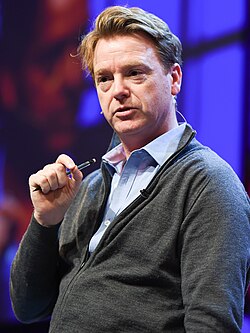

Dan O’Brien
Irish macro commentator (trade, global risks, Irish public finances). Great for linking LC macro theory to real policy debates in Ireland and Europe.

Cormac Lucey
Regular Irish newspaper columnist and media voice. Useful for debating government intervention, the euro, taxation, and “pros/cons” evaluation questions.
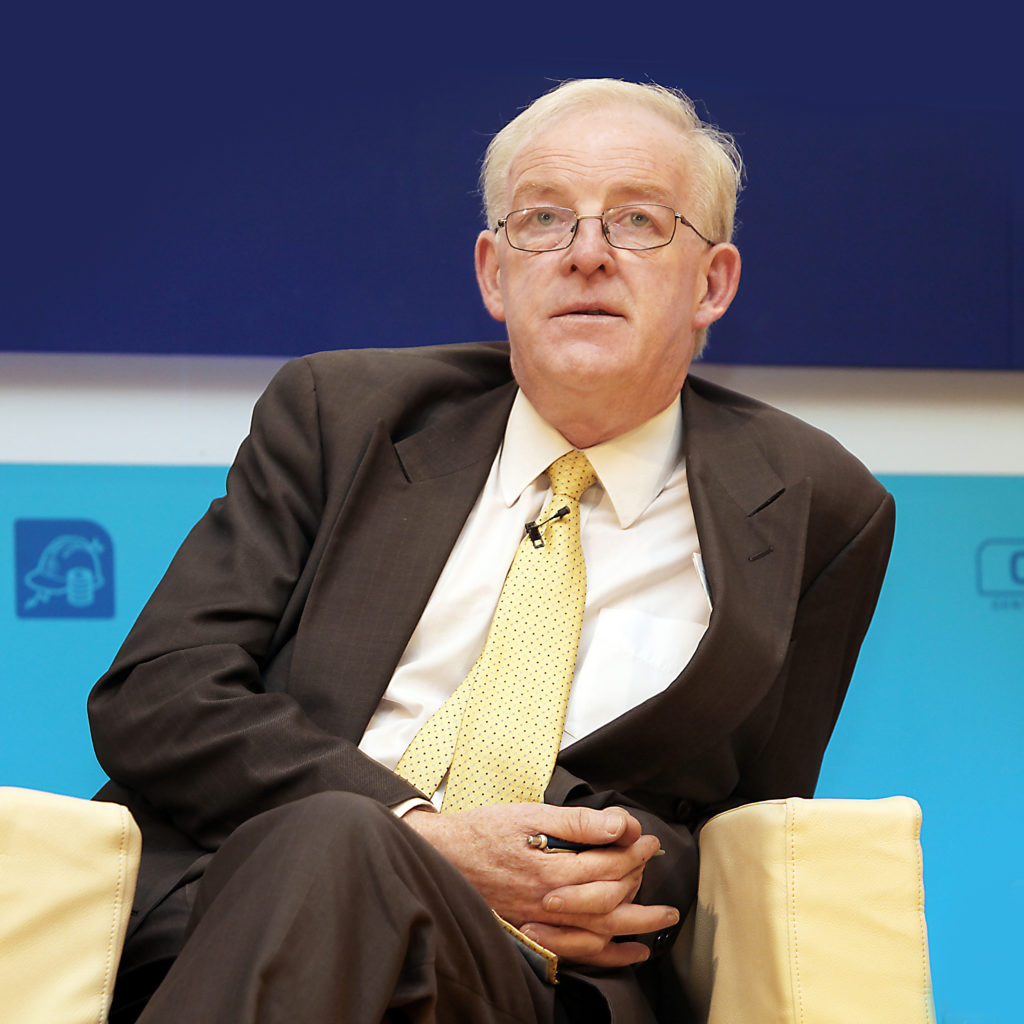
Colm McCarthy
UCD economist associated with “An Bord Snip Nua” and public spending debates. Strong for LC fiscal policy, budgets, efficiency, and trade-offs.

David Murphy
RTÉ economics/public affairs editor. Great for LC-style data interpretation (GDP/GNP, inflation stories, budgets) and turning statistics into plain English.
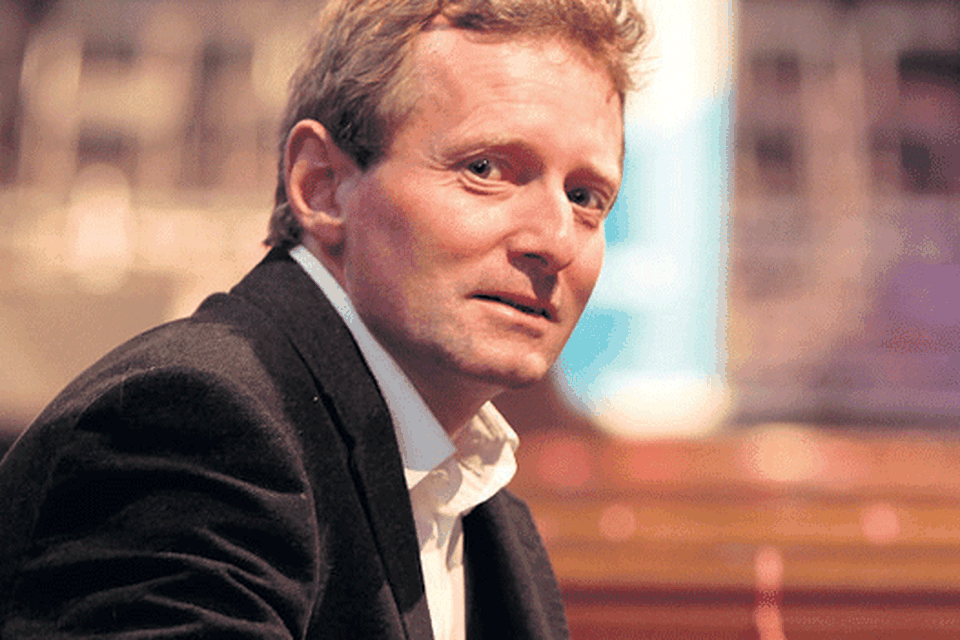
Morgan Kelly
Known for warning about the Irish property bubble and financial crisis. Very relevant for LC housing, credit, banking, and boom/bust explanations.
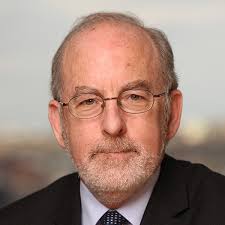
Patrick Honohan
Former Governor of the Central Bank of Ireland during the post-2008 banking crisis. Key for LC topics: banks, monetary policy, regulation, and the eurozone.
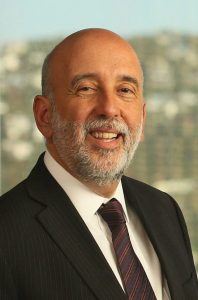
Gabriel Makhlouf
Governor of the Central Bank of Ireland. Useful for tracking how interest rates, inflation, and financial stability issues are explained in real time.
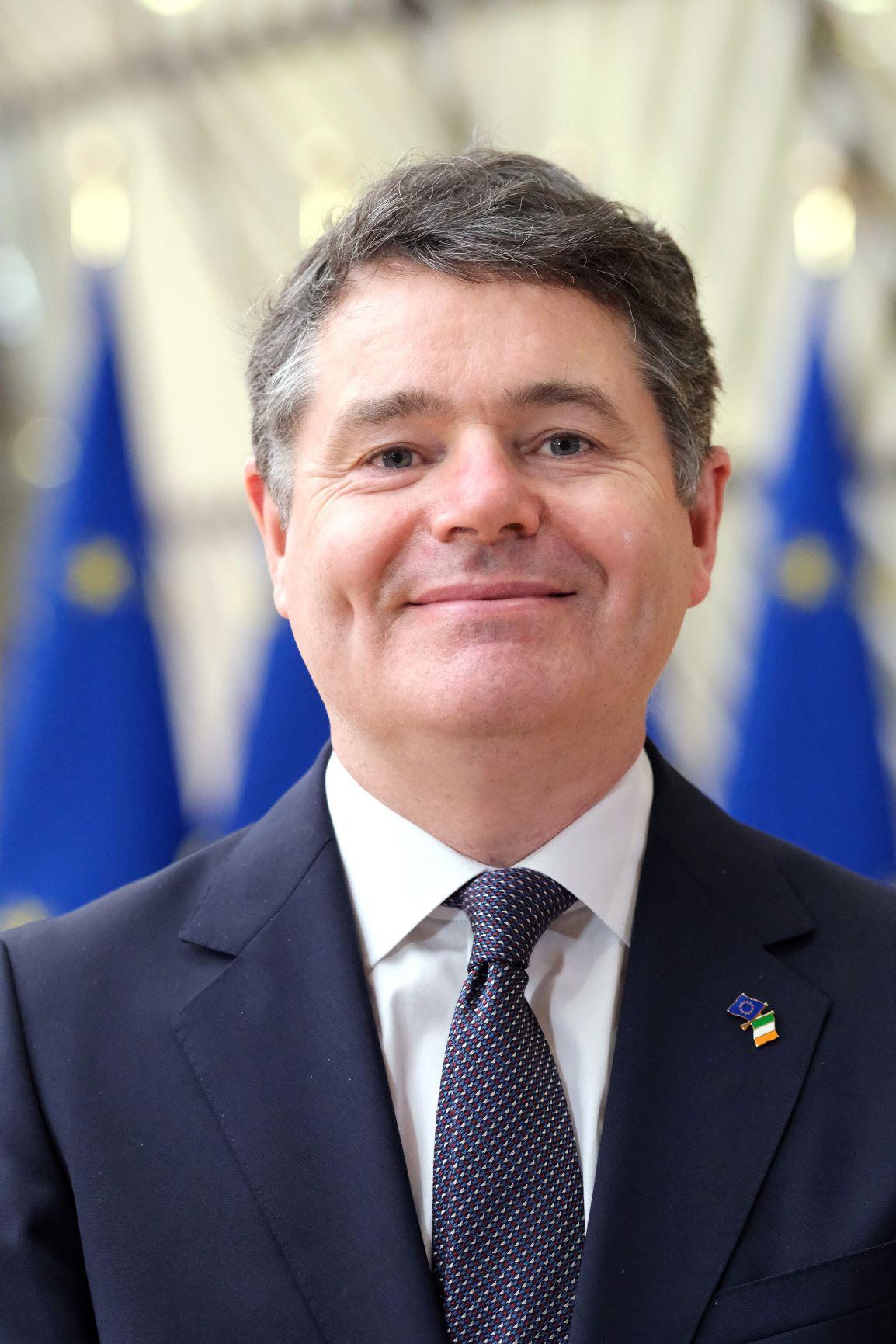
Paschal Donohoe
Former Minister for Finance and former President of the Eurogroup. Relevant for LC fiscal policy (budgets/taxation), EU coordination, and economic trade-offs.
UK/EU Economists and Journalists
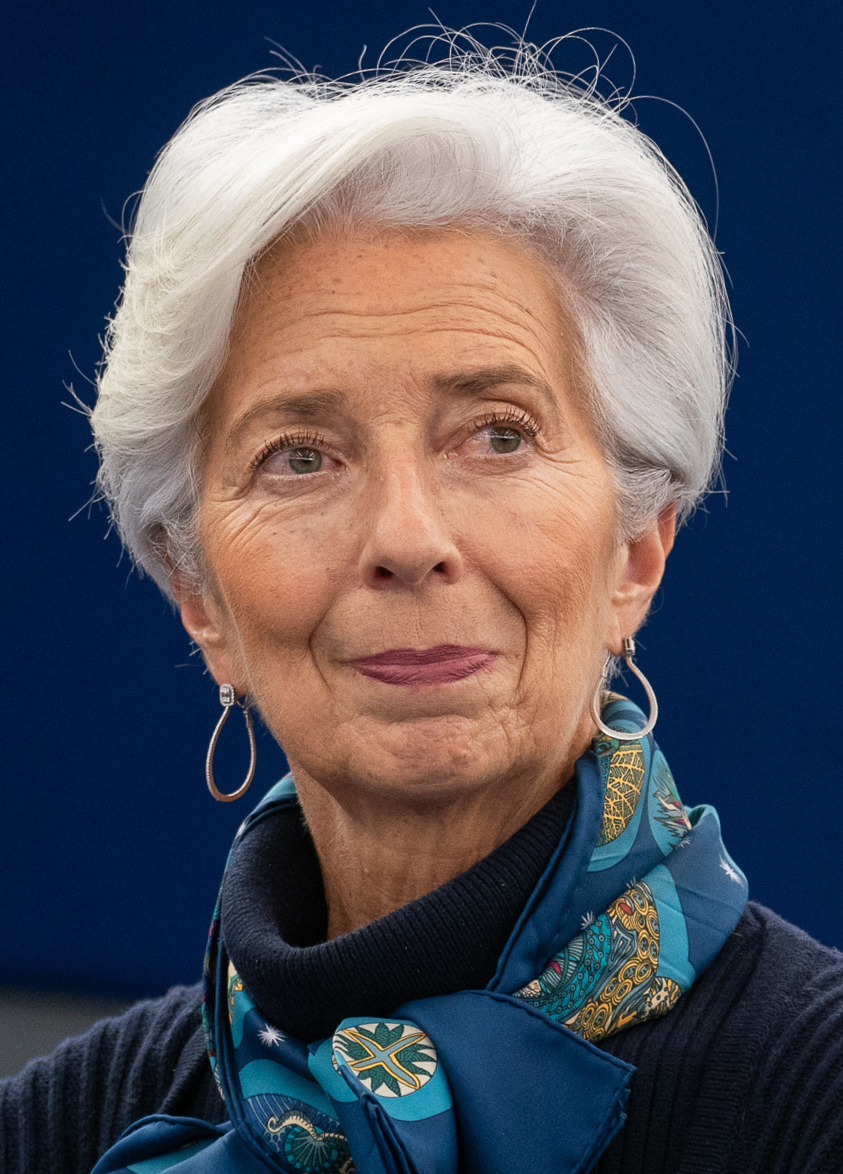
Christine Lagarde
President of the ECB. Central for LC monetary policy: interest rates, inflation control, and how eurozone decisions affect Ireland.
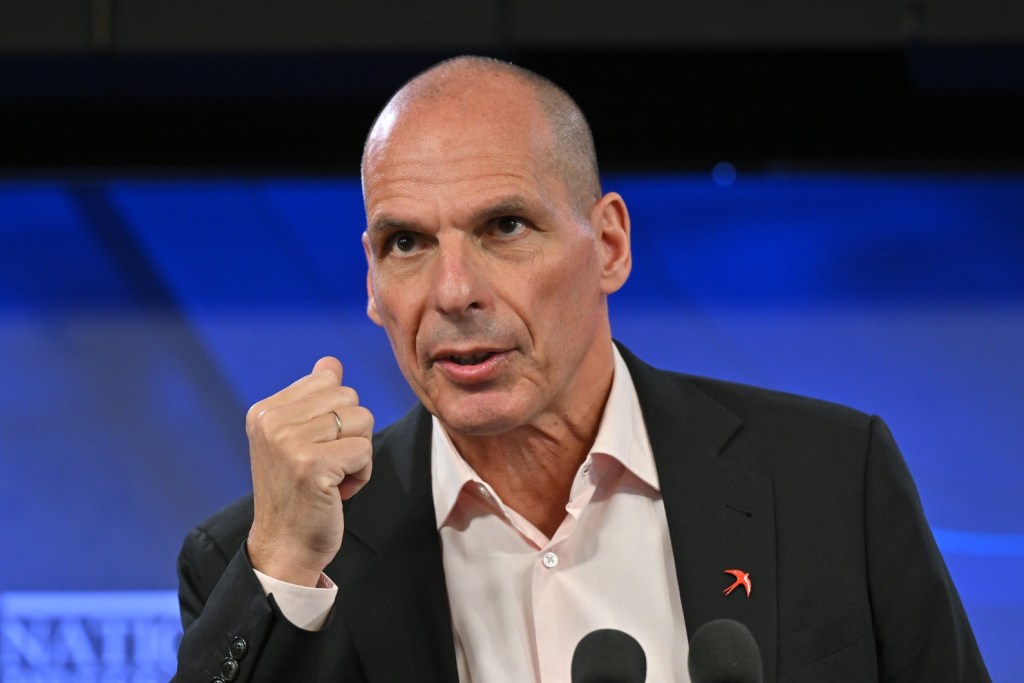


Chris Williamson
Known for commentary on PMIs and “leading indicators” of growth. Great for LC students learning how to interpret survey data and economic trends.
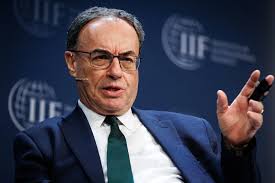
Andrew Bailey
Governor of the Bank of England. Useful for interest-rate decisions, inflation commentary, and comparing UK vs eurozone monetary policy.
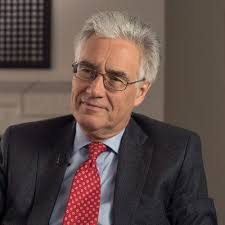
Adair Turner
Former UK financial regulator; major voice on financial stability and climate transition. Relevant for LC banking/regulation and “sustainable development” debates.
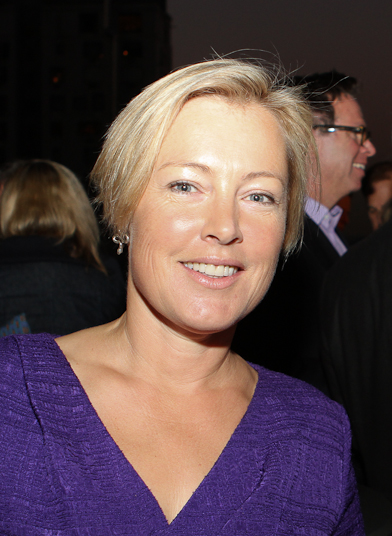
Gillian Tett
Financial Times columnist who writes clearly on crises, banks, and the global economy. Ideal for “evaluate” questions and real-world case studies.

John Authers
Bloomberg markets columnist. Useful for connecting macro news (rates/inflation) to bonds, stocks and exchange rates in a simple, readable way.
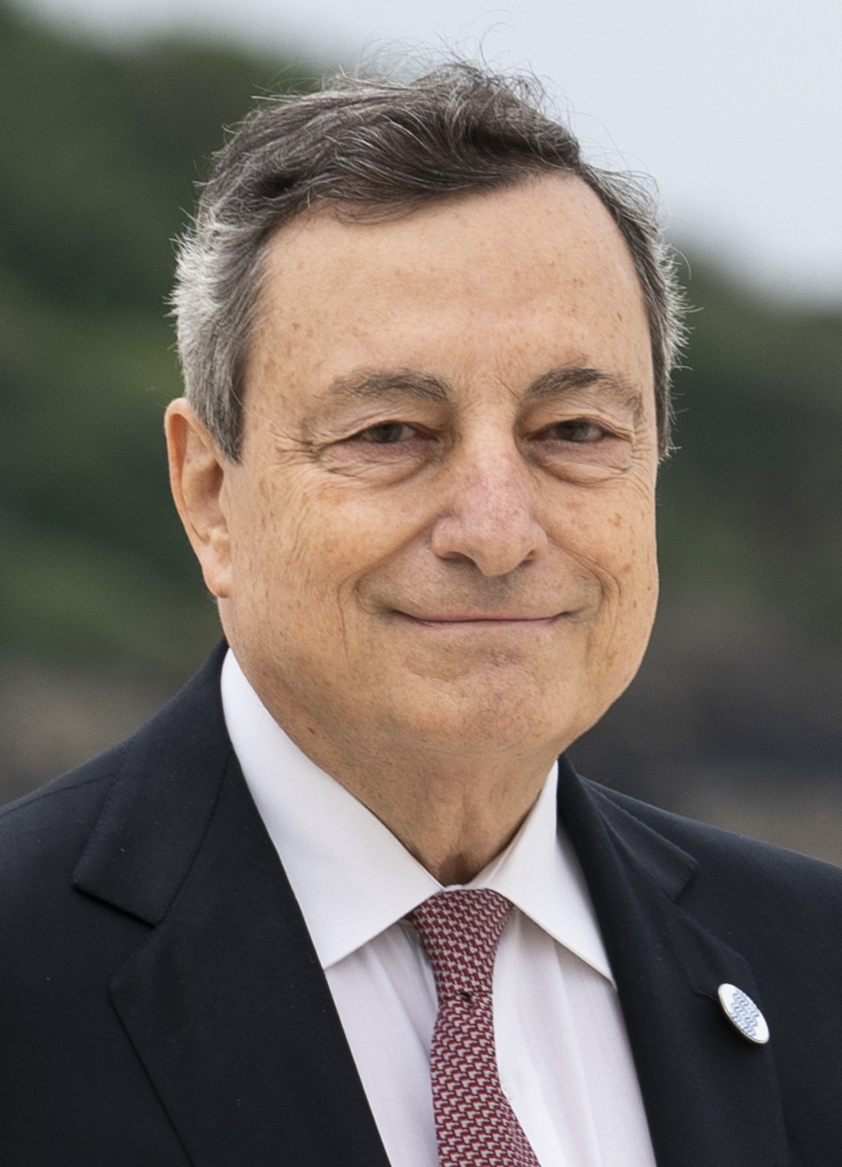
Mario Draghi
Former ECB President (“whatever it takes”). Core eurozone crisis figure—excellent for LC essays on monetary policy, confidence, and stabilising a currency union.
US Economists and Journalists
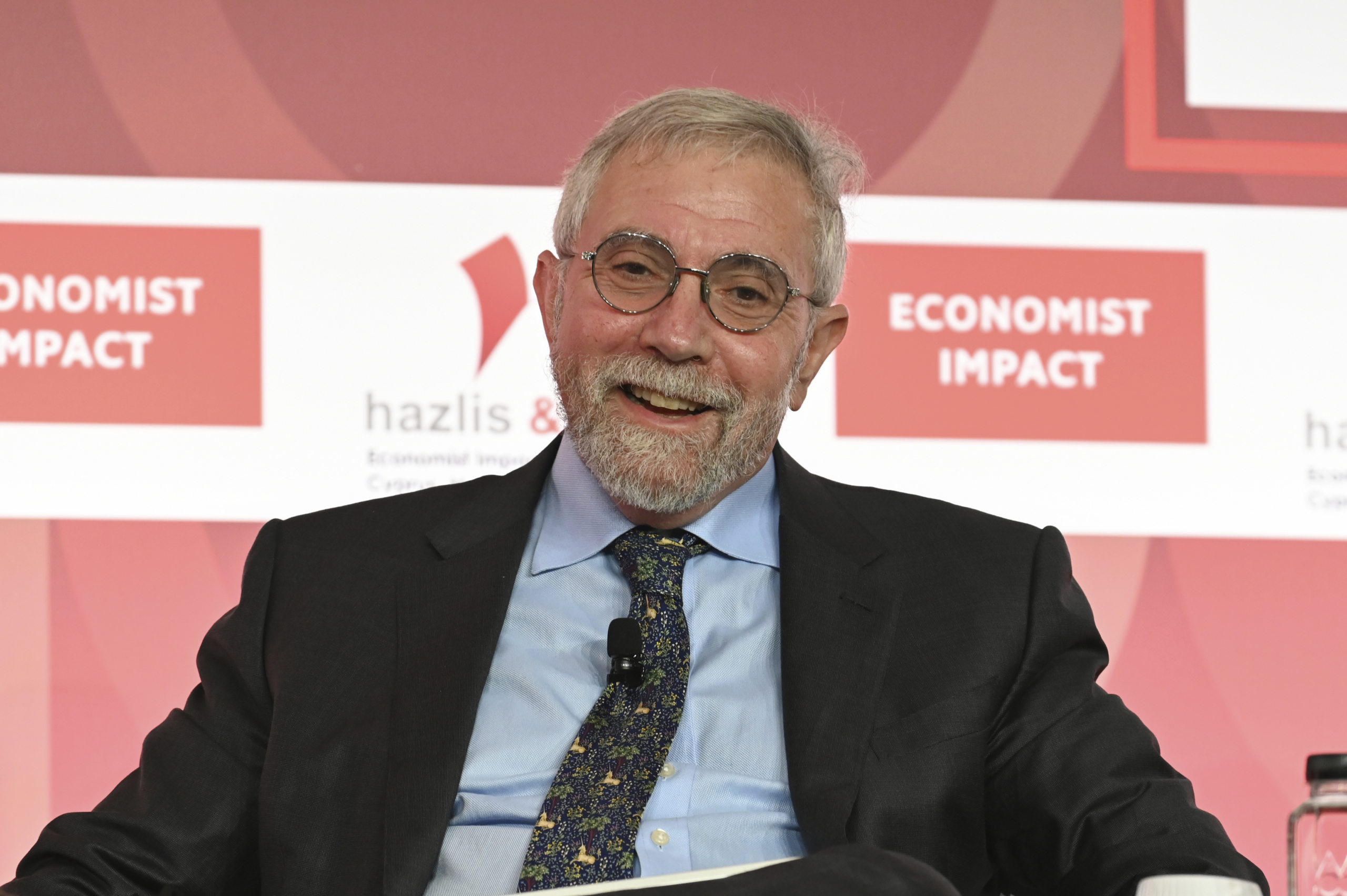
Paul Krugman
Nobel-winning economist and public writer. Useful for trade/globalisation, recessions, and contrasting policy viewpoints (Keynesian vs austerity arguments).
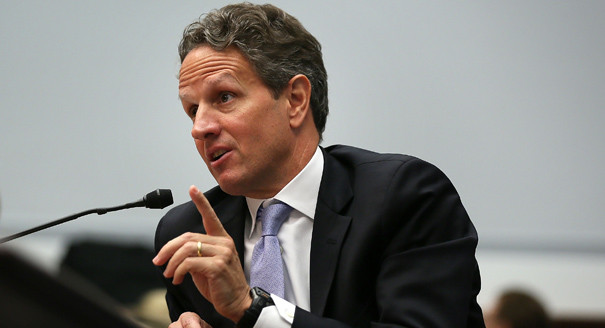
Tim Geithner
US Treasury Secretary during the financial crisis. Useful for LC banking/financial stability: bailouts, systemic risk, and crisis management.
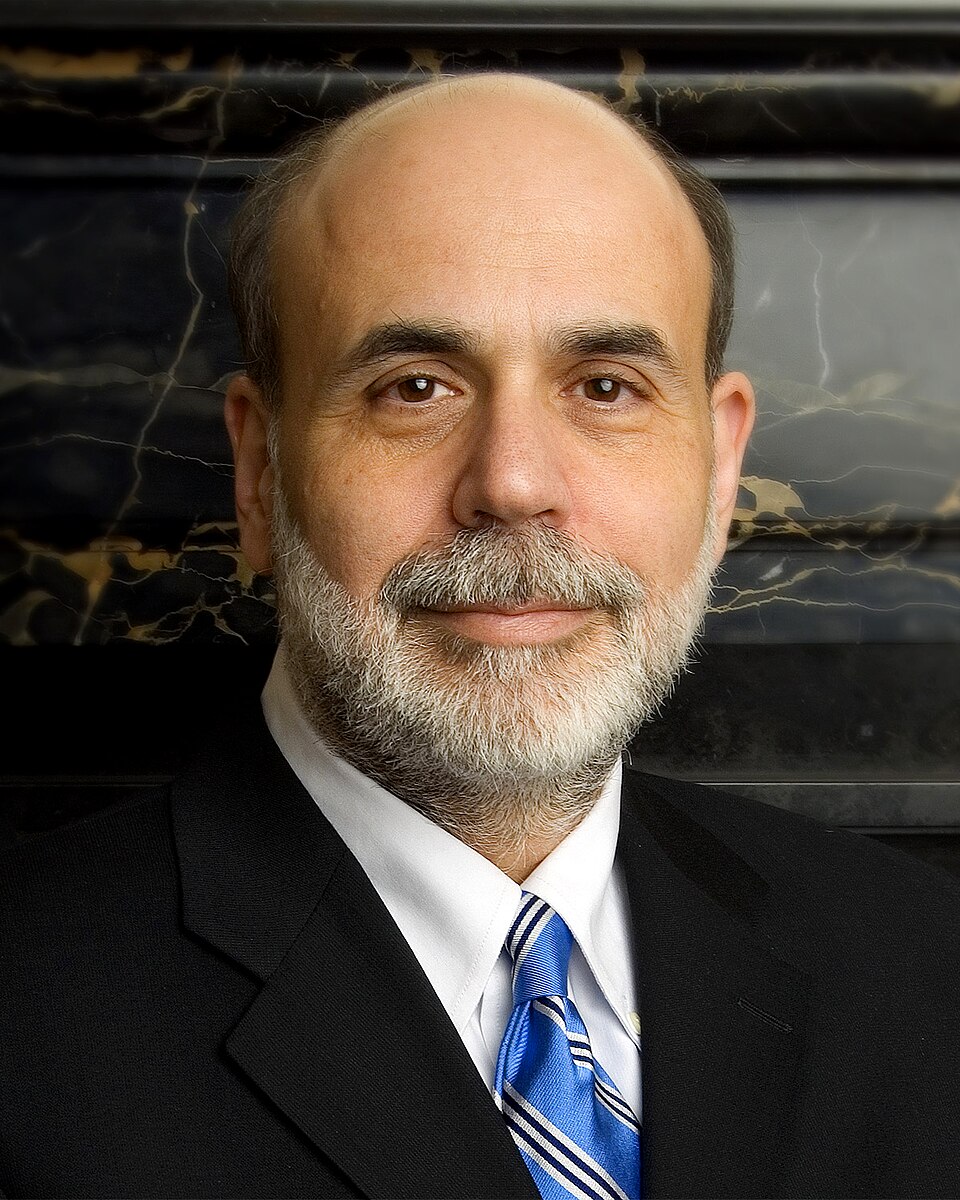
Ben Bernanke
Fed Chair during the 2008 crisis; associated with QE and emergency policy. Great for LC monetary policy and the role of central banks in recessions.

Bethany McLean
Journalist known for early Enron reporting and for writing on the 2008 crisis. Excellent for LC “business + ethics”, regulation, and corporate failure case studies.
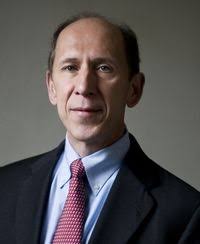
Kenneth French
Academic best known for the Fama–French factor work and the famous free “Data Library”. Useful for students curious about how markets are measured and analysed.
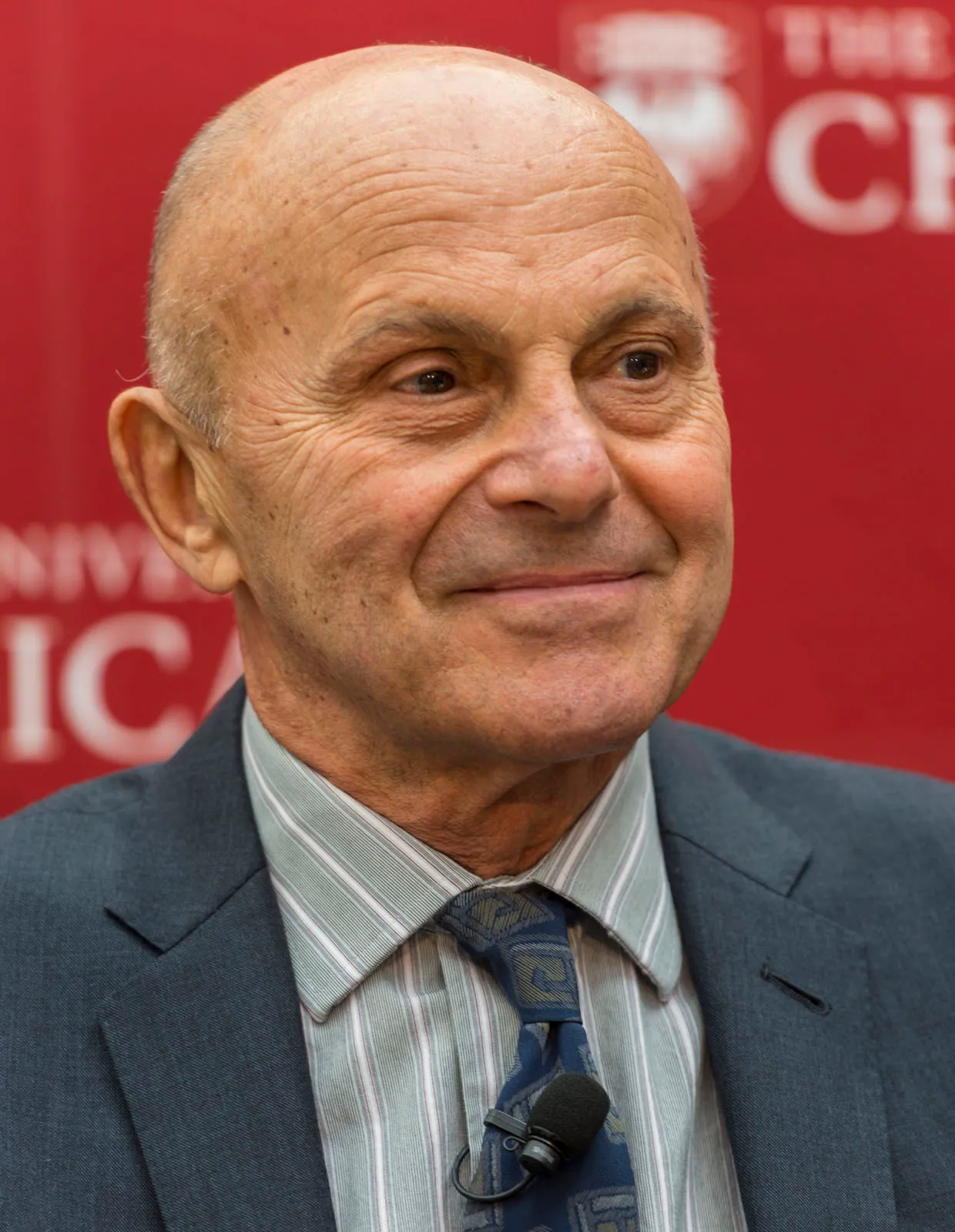
Eugene Fama
Nobel laureate linked to the Efficient Markets Hypothesis. Useful extension reading when LC students ask: “Do markets get prices right?”